
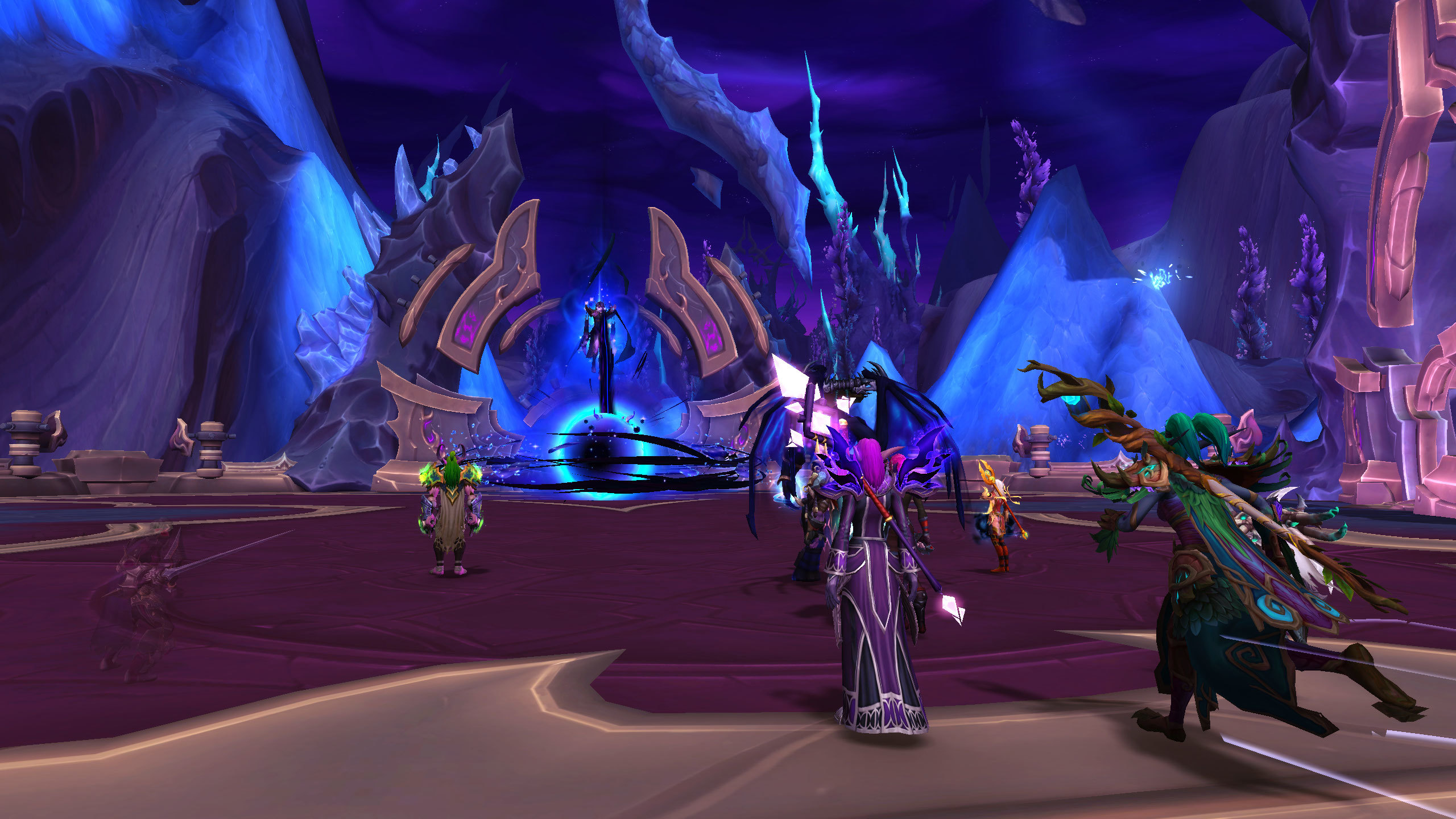
The Race to World First in World of Warcraft: Midnight Season 1 represents the absolute pinnacle of competitive raiding, where the world’s top guilds — including Liquid, Echo, and Method — invest weeks of preparation, simulation analysis, and strategic gearing to be the first to defeat the final boss of the raid tier on Mythic difficulty. The Midnight Season 1 raid tier is uniquely challenging because it spans three separate raids with nine total bosses, seven of which are available at the Mythic opening and the final two unlocking one week later. This guide examines how top-end guilds prepare for the world-first race, the gearing strategies they employ, and the organizational infrastructure that makes competitive raiding at this level possible.
Weeks of Pre-Raid Preparation
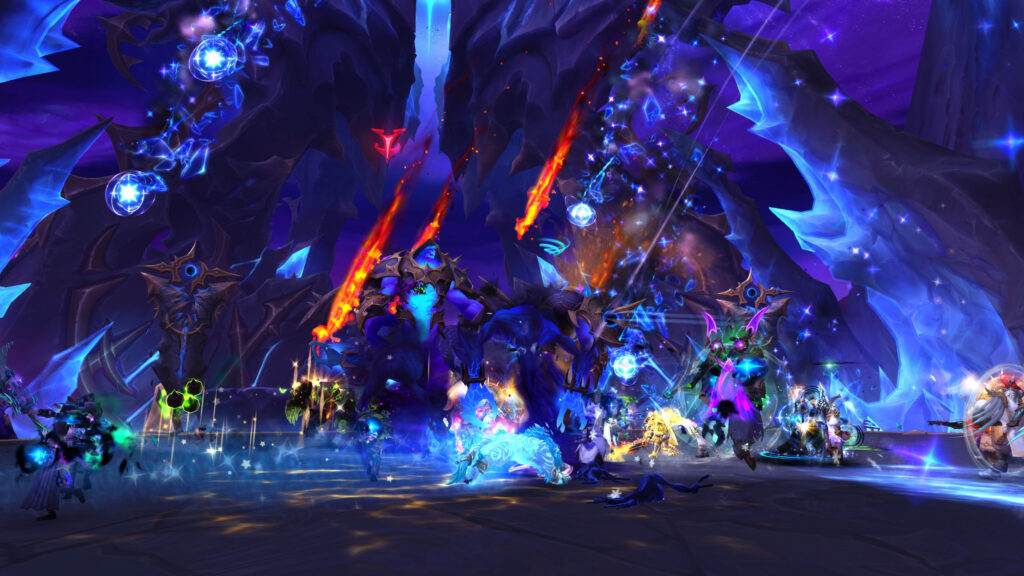
Top guilds competing for world-first kills in Midnight Season 1 begin their preparation weeks before the Mythic raid opening on March 24-25, 2026. This preparation encompasses multiple parallel tracks of activity that must converge into a cohesive raid strategy by the time Mythic difficulty becomes available. The preparation phase is arguably more important than the progression phase itself, because guilds that enter Mythic opening with superior preparation can achieve in three days of progression what less-prepared guilds take a week to accomplish.
- Heroic Split Raids: Guilds run the raid on Heroic difficulty repeatedly during the Normal/Heroic week (March 17-24) to gather encounter data, identify boss mechanic patterns that will carry over to Mythic difficulty, and test different group compositions to determine which combinations of players and specializations perform optimally for each boss encounter.
- Simulation Analysis: Guild simulation teams run continuous Raidbots and custom simulation analyses to identify the optimal talent builds, gear stat weights, and group compositions for each boss. These simulations account for the specific encounter mechanics of each boss fight, because the optimal DPS talent build for a single-target fight differs dramatically from the optimal build for a multi-target cleave encounter.
- Gear Accumulation: Guild members push high Mythic+ dungeons to accumulate the best possible pre-Mythic-raid gear, targeting Item Level 256+ across all slots with optimal secondary stat distributions. The Great Vault is maximized every week leading into the raid opening to ensure that every raider has the highest possible baseline item level when Mythic difficulty opens.
- Addon and WeakAuras Development: Guilds develop custom WeakAuras packages for every boss encounter, tracking ability timers, mechanic triggers, and positional requirements that give their raiders the informational advantage needed to execute strategies precisely. These WeakAuras are tested during Heroic progression and refined based on raid feedback.
- Strategy Documentation: Raid leaders and officers document detailed strategy guides for each boss encounter based on Heroic difficulty data, beta testing information (when available), and simulation outputs. These guides are distributed to the raid roster before Mythic opening so that every raider enters their first Mythic pull with a clear understanding of the planned strategy.
The investment required for this level of preparation is enormous: top guilds typically expect their raiders to commit 20-30 hours per week to preparation activities including Mythic+ pushing, simulation optimization, addon configuration, and strategy review, in addition to their scheduled raid nights. Raiders who cannot meet this commitment level are typically replaced by alternates who can, because the world-first race does not accommodate players who are unwilling to invest the necessary time and effort.
Gearing Strategy for World First Contenders
The gearing strategy for world-first raid contenders differs significantly from the gearing approach of casual or even standard Heroic raiders, because world-first guilds need every possible marginal advantage in damage output, healing throughput, and survivability to clear bosses within the tight enrage timers and mechanical demands of Mythic difficulty. The following gearing principles guide top guilds’ item acquisition and optimization decisions during the pre-Mythic preparation period.
| Priority | Gear Source | Target Item Level |
|---|---|---|
| Weapons and Trinkets | Mythic+ dungeons +15 and above, crafted with max finishing reagents | 256+ |
| Armor Pieces (Chest, Legs, Head) | Heroic raid drops, Mythic+ dungeons, Great Vault | 253+ |
| Armor Pieces (Shoulders, Hands, Feet) | Heroic raid drops, crafted gear, dungeon drops | 250+ |
| Accessories (Waist, Wrists, Neck, Ring, Cloak) | Crafted with Void-touched reagents, dungeon drops, world bosses | 249+ |
| Enchantments and Gems | Maximum quality from guild crafters, Void-touched gems | Best available, no compromises |
Top guilds prioritize weapons and trinkets above all other gear slots because these items provide the largest damage-per-second increase per item level gained. A raider with a 256 item level weapon and optimal trinkets will outperform a raider with 253 average item level armor but suboptimal weapons and trinkets, even though the second raider has a higher overall average item level. This priority system ensures that guilds allocate their best loot drops to the slots that matter most for encounter performance, and raiders who receive suboptimal gear drops are expected to compensate through superior mechanical execution rather than complaining about their gear allocation.
Enchantments and gems are non-negotiable for world-first contenders. Every available slot must be enchanted with the highest-quality enchantments, and every socket must contain the optimal gem for the raider’s specialization and stat weights. The marginal performance increase from full enchantment and gem optimization typically amounts to 3-5% additional DPS, healing, or survivability, which can be the difference between beating a boss’s enrage timer and wiping at 2% remaining. Top guilds do not leave any performance advantage on the table, and full enchant/gem optimization is the baseline expectation for every raider.
The Three-Raid Structure and Its Impact on the Race
Midnight Season 1’s raid tier is uniquely structured across three separate raids — The Voidspire, The Dreamrift, and March on Quel’Danas — with nine total bosses spread across these instances. Seven bosses are available when Mythic difficulty opens on March 24-25, while the final two bosses (presumably the climactic encounters of the third raid) unlock one week later. This structure fundamentally changes the world-first race dynamic compared to single-raid seasons, because guilds must divide their preparation and progression attention across multiple raid instances with distinct boss mechanics and strategic requirements.
The seven-boss initial opening means that world-first guilds can achieve significant progression milestones within the first few days of Mythic opening by clearing the first six to seven bosses, but the race does not truly conclude until the final two bosses unlock and are defeated. Guilds that focus their early progression efforts on the first seven bosses will have a head start on the final two when they unlock, because they will have already established their raid rhythm, identified their strongest group compositions, and built momentum from their early kills. Guilds that struggle with the initial seven bosses will be behind the pace when the final bosses unlock, and catching up from behind in a world-first race is extraordinarily difficult.
The three-raid structure also creates logistical challenges for top guilds in terms of lockout management and boss attempt allocation. Each raid has its own lockout ID, meaning that guilds must manage three separate raid lockouts and coordinate their raid schedule to ensure that they are making progress on all three raids simultaneously rather than focusing exclusively on one raid while neglecting the others. The most successful world-first guilds will divide their raid nights among the three raids, spending approximately one-third of their time on each raid during the early progression period and then shifting focus to the raid containing the final bosses as the unlock date approaches.
Infrastructure and Support: What Makes Top Guilds Competitive
Beyond the gearing and preparation strategies discussed above, the organizational infrastructure that top guilds maintain is what truly separates world-first contenders from the rest of the raiding community. This infrastructure includes dedicated simulation teams, addon developers, raid strategy writers, logistical coordinators, and financial sponsors who provide the resources necessary for guilds to operate at the highest competitive level.
- Simulation Teams: Analysts who run continuous DPS, healing, and tank simulations to optimize talent builds, gear stat weights, and group compositions for every boss encounter
- Addon Developers: Programmers who create and maintain custom WeakAuras, boss mods, and raid coordination tools that give the guild informational advantages during progression
- Logistical Coordinators: Officers who manage raid schedules, roster rotations, consumable distribution, and the day-to-day operations that keep the guild functioning smoothly during the intense world-first race period
- Financial Sponsors: Organizations or individuals who provide gold, consumables, and other resources to guild members, ensuring that raiders can focus on mechanical execution rather than gold farming for their raid supplies
- Streaming and Content Partnerships: Agreements with streaming platforms and content creators that provide raiders with additional income and visibility, making it financially viable for them to commit the enormous time investment that world-first raiding requires
The world-first race in World of Warcraft: Midnight Season 1 is the most competitive and resource-intensive raiding challenge the game offers, and the guilds that succeed are those that combine exceptional player skill with outstanding organizational infrastructure. Liquid, Echo, and Method — the top guilds competing in the current race — have all invested heavily in every aspect of this infrastructure, and their results on the progression meter reflect the quality of their preparation, execution, and support systems. For the broader WoW community, watching these guilds compete is one of the most exciting spectator experiences in gaming, and the Midnight Season 1 race, with its three-raid structure and nine-boss gauntlet, promises to be one of the most dramatic world-first competitions in World of Warcraft history.
Leave a Reply