
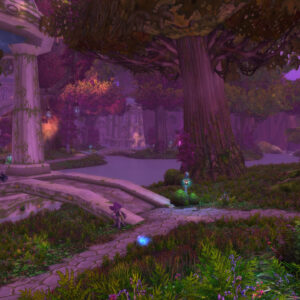
The Highborne stand among the oldest, most enigmatic, and most divisive figures in Azeroth’s history. Revered for their magical brilliance and condemned for the hubris that nearly tore the world apart, they remain a lineage draped in both glory and shadow. Their loyalties have shifted through eras—sometimes united, sometimes fractured by ambition. And within their storied halls, one legacy stands above all: the Crimson Oath, a binding pact of allegiance carved in secrecy, blood, and the pursuit of arcane supremacy.
This article explores the foundations of the Crimson Oath, the betrayals that shaped its evolution, and the lasting mark it left on the Highborne—and all who have crossed their path.
The Highborne Before the Fall
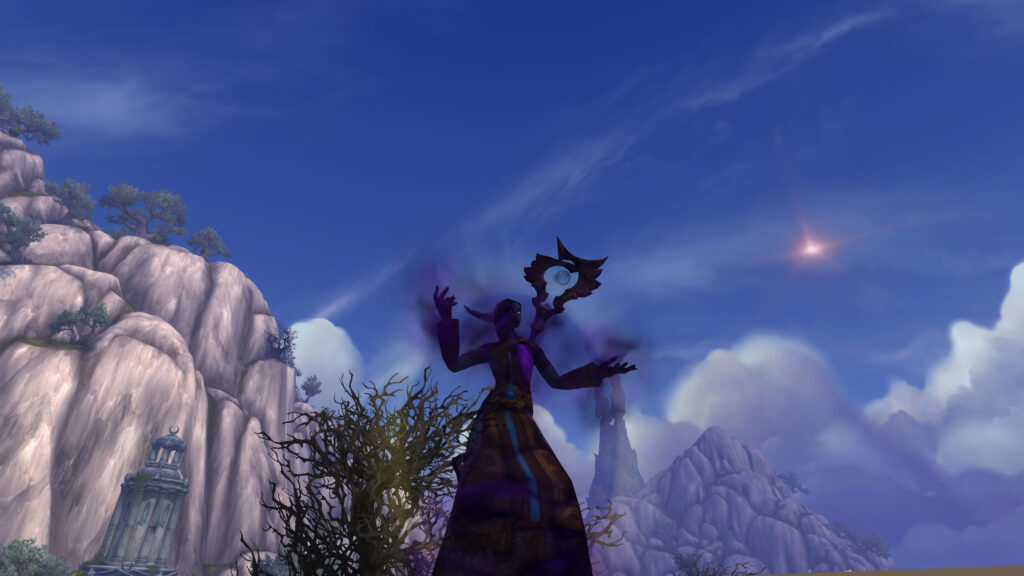
Long before the Sundering reshaped Azeroth, the Highborne formed the noble elite of the kaldorei empire. Masters of the arcane, they enjoyed luxuries and knowledge beyond imagination. Their power was unmatched, but so too was their hunger for more. This relentless pursuit sowed the seeds of division, as some viewed arcane mastery as enlightenment while others saw it as a path to dangerous excess.
Even before the Legion’s arrival, Highborne society was filled with intrigue, whispered promises, and competing magical circles vying for influence.
The Birth of the Crimson Oath
As arcane tensions escalated, a secret sect within the Highborne formed an oath-bound society known as the Crimson Oath. Its purpose was simple: preserve Highborne influence at all costs. Members swore lifelong loyalty, bound by rituals that transcended simple fealty. The oath’s name came not from blood sacrifice, but from the symbolism of lunar-red ink used to mark the wrists of initiates—reminders of their unbreakable bond.
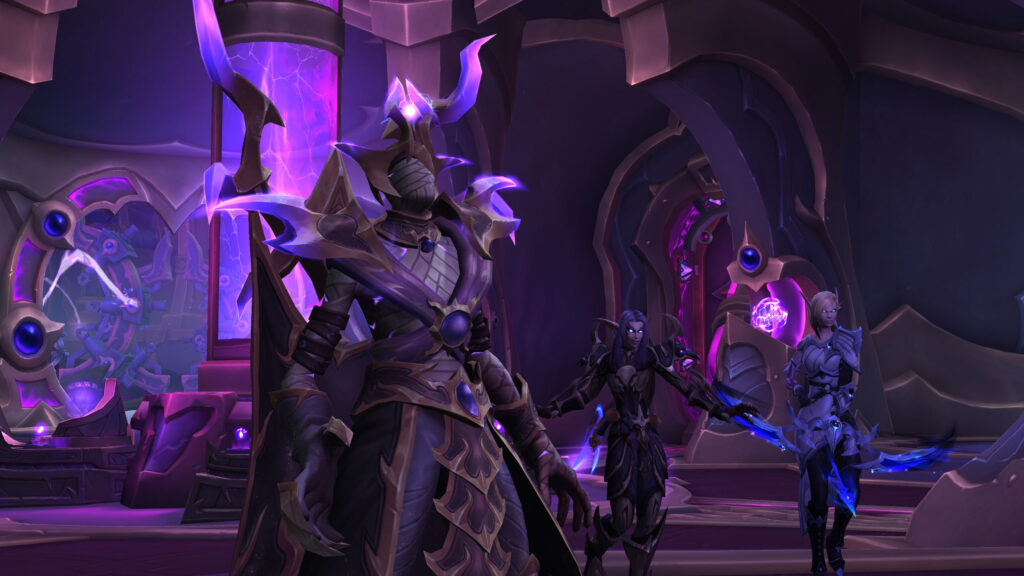
Though few outside their circle ever learned of this pact, it shaped many decisions during the empire’s decline.
Table: Tenets of the Crimson Oath
Historical translations uncovered from corrupted Suramar scrolls outline the core values upheld by oath-bound members:
| Tenet | Description | Purpose |
|---|---|---|
| Arcane Supremacy | Magic is the foundation of civilization and must remain in elite hands. | Preserve Highborne power |
| Loyalty Unbroken | Members defend one another, even against their own kin. | Solidify internal bonds |
| Secrets Above All | Knowledge is the greatest weapon and must be guarded fiercely. | Control information |
| Eternal Vigilance | Monitor threats to their lineage, mortal or cosmic. | Prevent collapse |
| Calculated Ambition | Power must grow, but only through deliberate and strategic means. | Avoid reckless magic use |
These tenets explain why the Crimson Oath survived political turmoil even as the empire fell to ruin.
Betrayal in the Court of Eternity
Inevitably, not all within the Highborne agreed with the Oath’s strict doctrine. When the Legion arrived, the Crimson Oath fractured into factions—some seeking to preserve the empire through resistance, others tempted by promises of unfathomable power. Betrayals spread like wildfire through Suramar’s courts, turning allies into adversaries as loyalties wavered beneath the lure of demonic might.
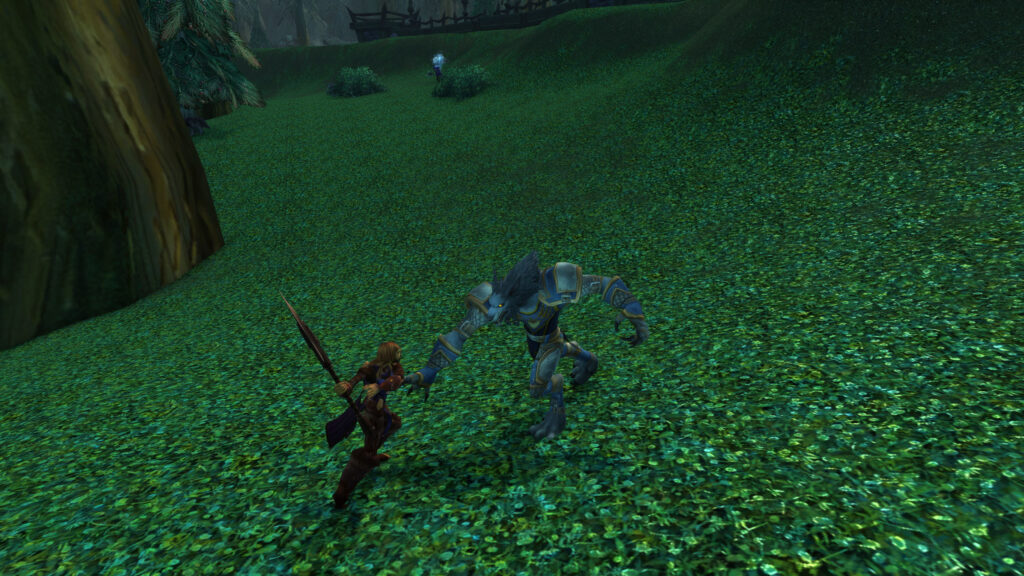
These conflicts shattered trust among the Highborne and marked the beginning of their long decline.
Exiles and Hidden Survivors
After the Sundering, surviving Highborne scattered across the world. Some found refuge in isolated enclaves. Others joined corrupted naga or retreated to secretive arcane sanctums. But members of the Crimson Oath carried their teachings wherever they went, passing them down through generations of apprentices.
Even centuries later, these hidden strands of the Oath can be traced in various magical traditions—from the disciplined spellcraft of the Shen’dralar to the militant arcane orders of Azshara’s loyalists.
The Oath’s Influence on Modern Highborne
When Highborne mages reappeared in modern night elf society, they carried echoes of the Crimson Oath’s legacy. Their disciplined approaches to magic, guarded dialogues, and strict hierarchies all stemmed from ancient teachings. Though few still practice the original rituals, the mindset persists—a blend of pride, caution, and ambition shaped by generations of hidden survival.
Many modern kaldorei still distrust them, yet none can deny their unmatched control over arcane energies.
The Crimson Oath Reborn?
Recent discoveries suggest the Oath may not be extinct. Artifacts recovered from Azj-Kahet hint at a resurgence of Highborne clans seeking to reestablish their influence. Some scholars fear they intend to unify scattered arcane groups under a revived oath. Others believe they wish to prevent the mistakes of their ancestors, forming a new order built on tempered wisdom rather than reckless ambition.
Whatever their true intentions, a Highborne revival could have significant consequences for Azeroth’s magical balance.
Conclusion
The Crimson Oath remains one of the most enigmatic strands of Highborne history—a testament to their relentless pursuit of arcane mastery and their fragile relationship with loyalty. It symbolizes both their greatest strengths and most devastating weaknesses. Through betrayal, downfall, and survival, its teachings shaped generations of mages and influenced political and magical forces across ages.
As Azeroth moves into an age where forgotten powers stir once more, the legacy of the Crimson Oath may yet guide—or endanger—the future of the Highborne and all who share the world with them.
Leave a Reply