
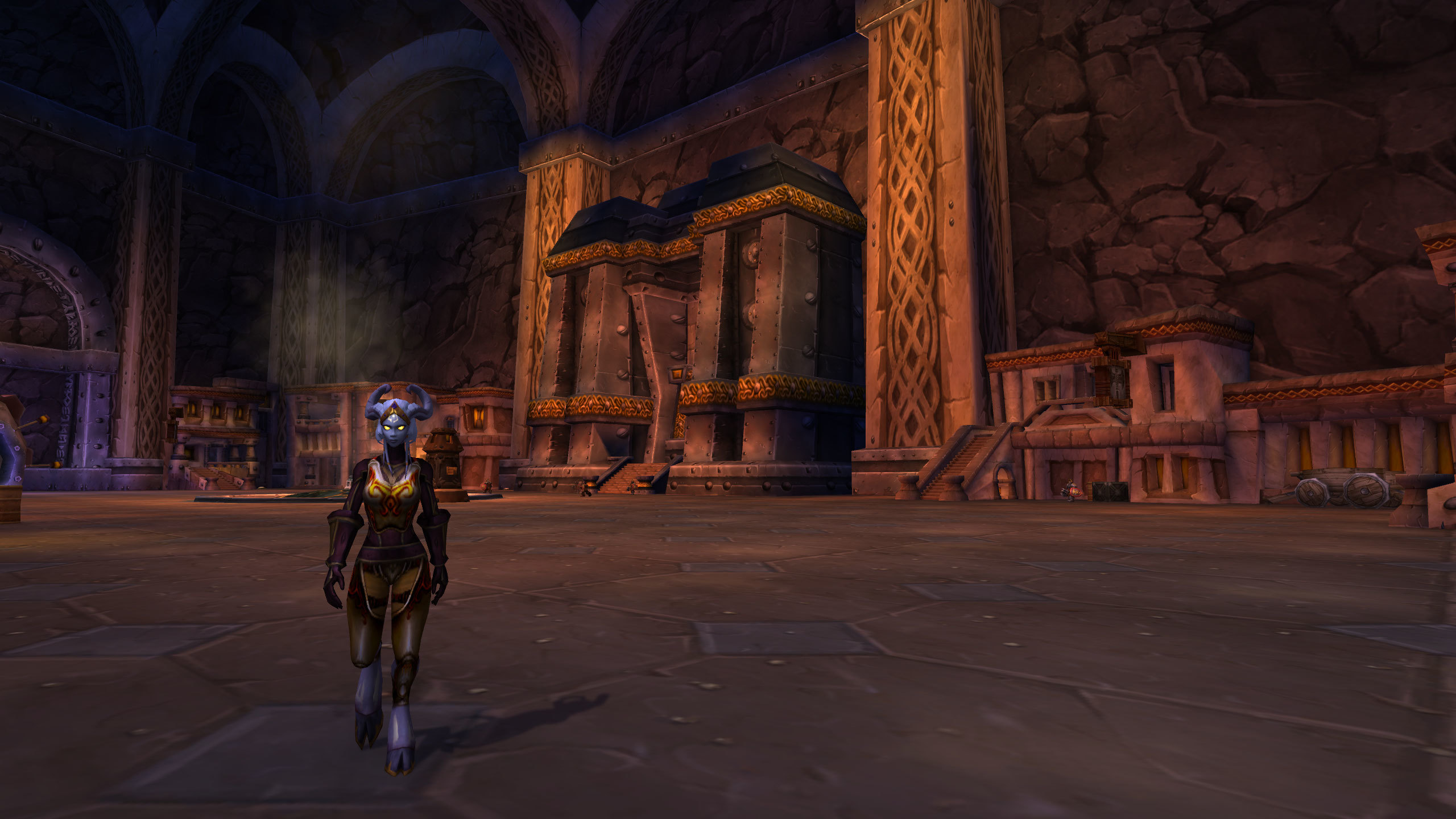
In high-level PvP, map awareness has become a defining skill that separates competent players from elite competitors. Beyond mechanical execution, understanding terrain, sightlines, and positional flow determines who controls engagements and who merely reacts.
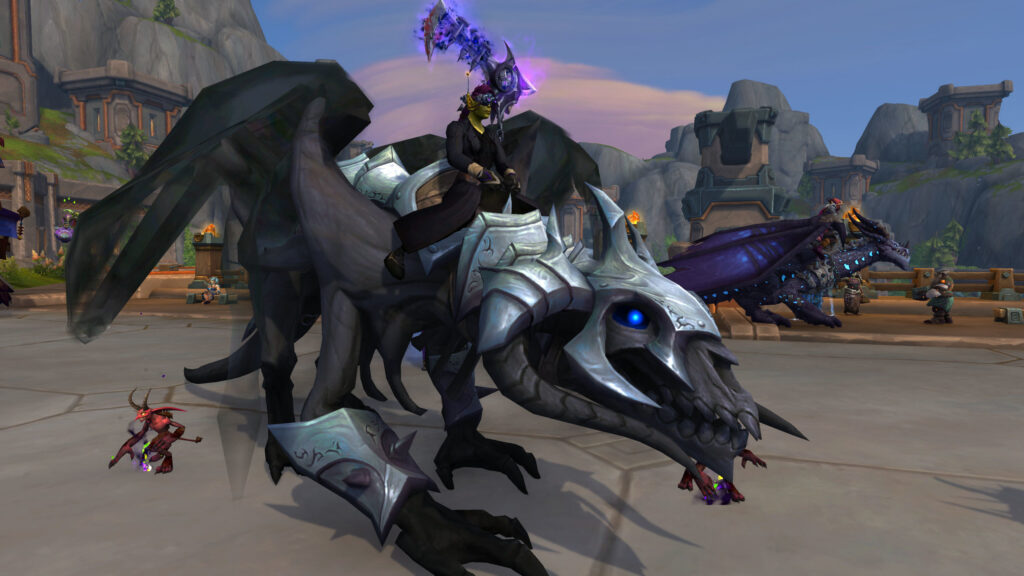
Spatial Knowledge Enables Predictive Play
Tournament-level players anticipate movement based on map layout. They position before pressure arrives, cut off escape routes, and force opponents into unfavorable terrain. This foresight turns awareness into a proactive advantage.
Line-of-Sight Dictates Tempo
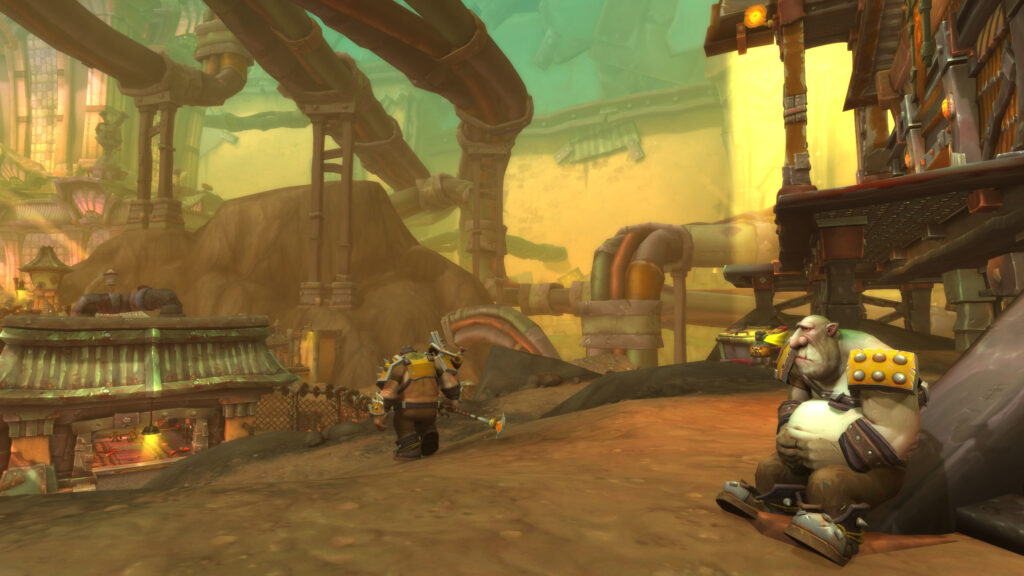
Effective use of pillars, ramps, and elevation disrupts enemy setups without spending cooldowns. Players who manage line-of-sight well control damage intake and decide when fights escalate or reset.
Awareness Reduces Mechanical Load
Good positioning simplifies reactions. Players who stand in the right place avoid emergency decisions, freeing mental space to track cooldowns and team status. Poor awareness forces constant panic responses.
| Awareness Skill | Average Play | Elite Play |
|---|---|---|
| Positioning | Reactive movement | Preemptive control |
| Line-of-sight use | Occasional cover | Constant denial |
| Map flow reading | Chasing fights | Forcing engagements |
| Escape planning | Improvised | Pre-planned routes |
Awareness Defines Competitive Ceilings
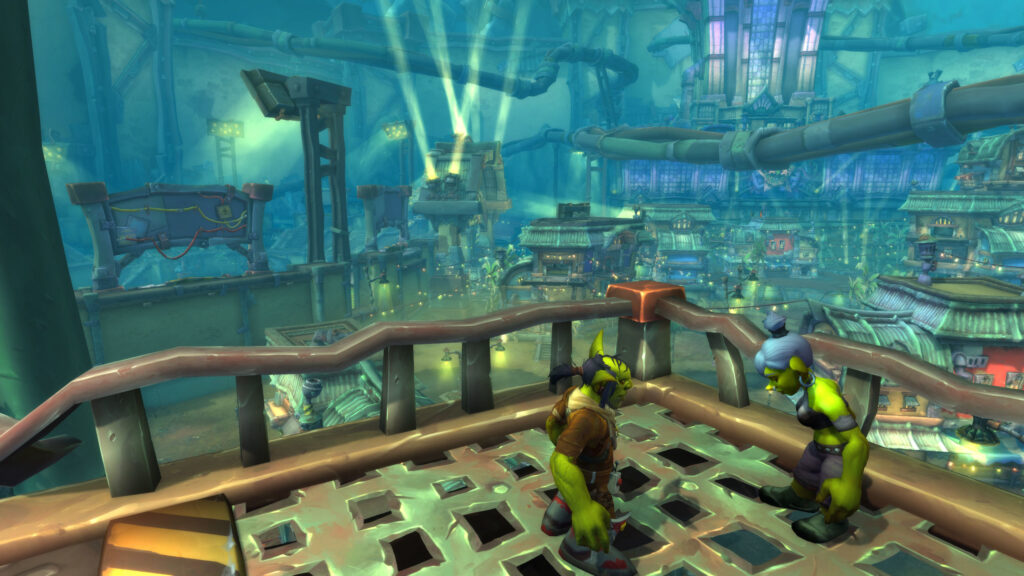
Mechanical skill plateaus quickly at higher ratings. Map awareness continues to scale, providing long-term improvement paths that distinguish tournament-caliber competitors from ladder regulars.
Conclusion

PvP map awareness separates average players from tournament-caliber competitors by enabling control, prediction, and efficiency. Mastery of space transforms mechanical skill into consistent competitive dominance.
Leave a Reply